The Contenders: Philosophical and Technical Differences
OpenAI: The Broad-Spectrum Powerhouse
OpenAI, with its "o" series (o1, o3-mini) and the ubiquitous GPT-4o, operates with a philosophy of maximum capability and broad deployment. They are the household name, deeply integrated into the Microsoft ecosystem.
OpenAI Strengths
- Advanced Reasoning: The "o" series models are designed to "think" before they output, making them exceptional at complex coding logic, advanced mathematics, and multi-step reasoning puzzles.
- Multimodality: GPT-4o is arguably the best at seamlessly handling voice, image generation (DALL-E 3), and vision analysis natively within a single prompt.
- Ecosystem: Unmatched integration with third-party apps and the massive ChatGPT Plus user base.
Anthropic: The Safety and Context Champion
Anthropic, founded by former OpenAI researchers, built the Claude 3.5 family (Haiku, Sonnet, Opus) with a focus on "Constitutional AI"—making models helpful, honest, and harmless from the ground up.
Anthropic Strengths
- The Coding King: Developers overwhelmingly favor Claude 3.5 Sonnet for writing and refactoring code. Its "Artifacts" UI fundamentally changed how users interact with generated code and UI components.
- Massive Context Windows: Claude excels at ingesting massive documents (up to 200K tokens) and rarely "loses" information in the middle of a text block, making it superior for analyzing entire codebases or lengthy financial reports.
- Nuance and Tone: Claude is widely considered to be a better creative writer, sounding less "robotic" and adhering more strictly to nuanced brand voice guidelines without needing aggressive prompting.
The Enterprise Showdown: Security, RAG, and Autonomous Agents
It’s Not About Chatbots. It’s About Infrastructure.
For individuals, the choice between Claude and ChatGPT is a matter of UI preference. For a CTO scaling lead generation strategies or building autonomous AI agents, the choice dictates API costs, rate limits, and data privacy.
Which is Better for AI Agents?
If you are building an AI agent to handle B2B sales outreach or customer support, you need a model that can reliably call external tools (APIs) and parse structured data.
| Feature | OpenAI (GPT-4o / o1) | Anthropic (Claude 3.5) | The Verdict |
|---|---|---|---|
| Tool Use / Function Calling | Excellent. Deeply integrated JSON mode and strict adherence to schemas. | Very strong. Computer Use capability allows it to control a desktop environment. | Tie. OpenAI is slightly better for standard API routing; Anthropic is pioneering UI automation. |
| RAG (Retrieval-Augmented Gen) | Strong, but context window can limit massive document retrieval. | Unmatched. 200K context window with near-perfect recall across the entire document. | Anthropic. If your agent needs to read 50 PDFs before answering, Claude is the superior reader. |
| Data Privacy (API Level) | Zero-day retention available on enterprise tiers, but historically scrutinized. | Strict Constitutional AI framework; very strong enterprise privacy guarantees. | Anthropic. Generally perceived as the safer choice for highly regulated industries. |
The Writing Test
If your goal is to generate massive amounts of direct mail marketing copy or personalized cold emails, Claude is the winner. It requires less prompting to drop the typical "AI tone" and writes with more natural human cadence.
The Logic Test
If your agent needs to perform complex data analysis on a raw email database, write Python scripts to clean it, and output predictive models, OpenAI (specifically o1 or o3-mini) is the superior reasoning engine.
The Sovereign Alternative: Why Rely on Either?
The API Trap and the Avocadata Solution
Here is the truth: whether you choose OpenAI or Anthropic, you are still renting your intelligence. You are sending your proprietary B2B data and consumer data to a third-party server, paying a tax on every single token generated.
The Sovereign Architecture
Enterprise leaders are realizing that true competitive advantage lies in owning the model and the data. Instead of arguing over Claude vs. ChatGPT, they are building custom, air-gapped models using open-source foundations (like Llama 3) fine-tuned on their own secure data.
- The Fuel: DatatoLeads. To train a custom model for sales, you need volume and accuracy. DatatoLeads provides the high-intent leads and business leads necessary to teach an AI what a qualified prospect actually looks like. Whether you need solar leads or niche intent leads data, this is the training material that makes your custom model smarter than a generic API.
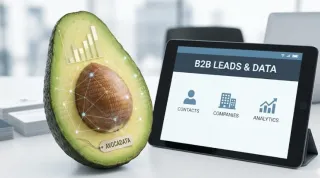
- The Engine: Avocadata. You cannot host petabytes of training data on a standard hard drive. Avocadata provides the white label data platform infrastructure. It acts as your database management system, allowing you to seamlessly pipe structured DatatoLeads lists into your private LLM training clusters.
The Ultimate DaaS Play
By controlling the data via Avocadata, you aren't just protecting your IP. You can sell data and AI-enriched insights directly to your clients. You become the data marketplace, rather than just another customer paying OpenAI's API fees.
Build Your Sovereign Intelligence
Stop debating which rented API is slightly better. Take control of your infrastructure. Fuel your custom models with the highest-quality intent data on the market, secured on your own Avocadata platform.