Foundation: Understanding the Sponsorship Ecosystem
What Are YouTube Sponsorships?
For an SEO architect mapping the creator economy, distinguishing between ad revenue and direct partnerships is vital.
Question: What is a YouTube Brand Deal (Sponsorship)?
Definition: A sponsorship is a direct financial agreement between a creator and a brand, bypassing Google AdSense entirely. The brand pays the creator a negotiated fee to promote their product or service natively within the video content.
Short-Tail vs. Long-Tail Search Intent
Short-Tail Keywords
- YouTube sponsorships: Broad searches from new creators looking for general information on how to get noticed by brands.
Long-Tail Keywords
- How much does a 60-second integrated YouTube sponsorship cost for 100k views: Highly specific searches from agency media buyers or mid-tier creators looking to price their media kits accurately.
Question: What is the difference between Integrated and Dedicated sponsorships?
Definition:
- Integrated Sponsorship: A 60 to 90-second ad read inserted into a regular video (usually at the beginning or middle). The video’s main topic is independent of the sponsor.
- Dedicated Sponsorship: The entire video revolves around the sponsor's product. These are significantly more expensive and often take the form of dedicated product reviews or unboxings.
The Math: Average Prices and Channel Examples
How Sponsorship Rates Are Calculated
Unlike AdSense, which pays based on CPM (Cost Per Mille / 1,000 views), sponsorships are generally negotiated on a CPV (Cost Per View) basis, specifically estimating the views a video will get within the first 30 days of publishing.
Average Industry Rates (2025/2026)
The standard rate for an integrated sponsorship across general niches (gaming, lifestyle, comedy) ranges from $0.015 to $0.030 per view (or $15 to $30 per 1,000 views). However, in high-value niches like finance, software, and B2B sales, rates can exceed $0.08 per view.
| Channel Size / Type | Average 30-Day Views | Est. Integrated Price (Per Video) | Example Scenario |
|---|---|---|---|
| Micro-Influencer | 10,000 - 25,000 | $200 - $600 | A niche tech review channel. |
| Mid-Tier Creator | 100,000 - 250,000 | $2,000 - $6,000 | A popular gaming or commentary channel. |
| Macro-Influencer | 1,000,000+ | $20,000 - $50,000+ | A massive tech channel (e.g., MKBHD) or top-tier vlog. |
| The Titans (MrBeast) | 100,000,000+ | $2,000,000 - $3,000,000+ | Requires custom, massive-scale brand integration. |
The Giants: Best Companies That Sponsor YouTubers
VPNs & Cybersecurity
NordVPN & ExpressVPN: These are the undisputed kings of volume. They sponsor channels of almost all sizes, relying on massive affiliate link conversions to justify their high flat-rate payouts.
Website Builders
Squarespace: A pioneer in YouTube marketing. They sponsor almost every major creative, educational, and tech channel, focusing on long-term brand awareness.
Gaming & Apps
Raid: Shadow Legends: Notorious for dropping massive budgets on gaming and entertainment channels. They pay high CPVs because the lifetime value of a "whale" mobile gamer is astronomically high.
Lifestyle & Health
BetterHelp & Manscaped: Heavy spenders across podcasts and commentary channels, usually locking creators into multi-video contracts.
The Vulnerability of Selling Your Audience
Why Relying on Sponsors is Dangerous
While an $8,000 brand deal sounds amazing, it comes with massive risks. First, talent agencies take a 15-20% cut. Second, if a brand cuts their marketing budget, your revenue goes to zero instantly. Finally, you are selling your audience's attention to someone else.
If a B2B software company pays you $5,000 for a shoutout, it's because they know they will make $50,000 off the business leads generated from your video. Why let the sponsor take the profit margin?
The Sovereign Alternative: Avocadata & DatatoLeads
The most sophisticated creators in 2026 are stopping the endless cycle of hawking VPNs. Instead, they are capturing their audience's data and monetizing it directly. If you teach people how to run a business, you are generating massive B2B intent.
Step 1: Capture the Lead (DatatoLeads)
Instead of sending viewers to a sponsor's link, send them to your own landing page. Offer a free guide, resource, or newsletter to build your email list. By understanding exactly what your audience is researching, you generate highly valuable intent leads data. For example, if you run a real estate channel, your audience is filled with potential real estate investors. This consumer data is worth thousands of dollars.
Step 2: Enrich and Filter (The B2B Play)
Once you have the leads, you need to enrich them. You can use platforms like DatatoLeads to append firmographics to your list, turning basic emails into actionable B2B data that corporate buyers are desperate for.
Step 3: Sell Your Own Data (Avocadata)
Question: How do I sell my audience data securely?
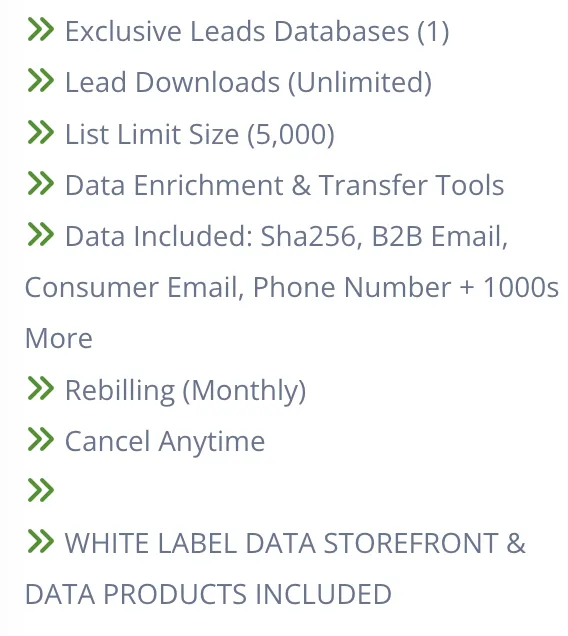
Definition: You need a sovereign infrastructure. Avocadata is a data marketplace engine that allows you to build a white label data platform.
- Instead of using a basic CRM, use Avocadata as your database management system.
- Learn how to sell data directly to the very brands that used to sponsor you.
- If you run a home improvement channel, collect solar leads and sell data online to local contractors using the DaaS (Data as a Service) model.
"When you accept a sponsorship, you are renting out your audience. When you build a data sharing database using Avocadata, you own the asset forever. You transition from an influencer to a data broker operating a big data sharing exchange."
Graduate from Brand Deals to Sovereign Data
Stop relying on inconsistent marketing budgets. Implement superior lead generation strategies and launch your own marketplace today.